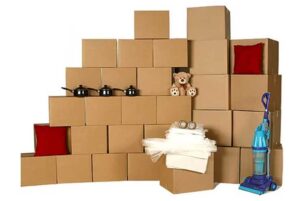


15 Things to Do Before Moving to a New House
Moving to a new home is an exciting milestone, but it can quickly become overwhelming without proper planning. Whether you’re relocating within the city or moving to another state, staying organized before moving day can save you time, money, and unnecessary stress.
From sorting your belongings and updating your address to hiring reliable packers and movers, every step plays an important role in ensuring a hassle-free relocation.
This comprehensive guide covers the 15 essential things you should do before moving to a new house, helping you stay prepared from the moment you decide to move until you settle into your new home.
Why Proper Planning Before Moving Matters
Many people underestimate the amount of preparation required before moving. Last-minute packing, forgotten documents, and poor organization often lead to damaged belongings, delayed transportation, and increased expenses.
A well-planned move offers several benefits:
- Reduces moving stress
- Saves time and money
- Prevents damage to valuable belongings
- Helps you stay organized
- Makes unpacking much easier
Whether you’re moving a studio apartment or a large family home, preparation is the key to a successful relocation.
1. Create a Complete Moving Checklist
The first step in any successful move is creating a detailed checklist.
Your checklist should include:
- Moving date
- Packing schedule
- Utility disconnections
- Utility reconnections
- Address changes
- Cleaning schedule
- Important contacts
- Transportation arrangements
A written plan keeps everything organized and reduces the chances of forgetting important tasks.
2. Declutter Your Home
Moving unnecessary items only increases transportation costs.
Before packing:
- Donate unused clothes
- Sell old furniture
- Recycle broken electronics
- Throw away expired products
- Organize important documents
The fewer items you move, the lower your moving cost will be.
3. Choose Professional Packers and Movers
One of the biggest decisions you’ll make is selecting the right packers and movers company.
Look for a company that offers:
- Professional packing
- Loading and unloading
- Transportation
- Insurance
- Experienced staff
- Transparent pricing
Always compare multiple quotations before making a decision.
4. Book Your Movers Early
Avoid waiting until the last minute.
Professional movers receive heavy bookings during:
- Weekends
- Month-end
- Festival seasons
- Summer holidays
Booking 2–4 weeks in advance often helps secure better pricing and availability.
5. Estimate Your Moving Budget
Your budget should include:
- Packing charges
- Transportation fees
- Insurance
- Packing materials
- Cleaning expenses
- Temporary accommodation (if needed)
Always keep an emergency buffer for unexpected costs.
6. Gather Packing Supplies
Purchase quality packing materials before you begin.
Recommended supplies include:
- Carton boxes
- Bubble wrap
- Packing paper
- Stretch film
- Packing tape
- Permanent markers
- Labels
- Zip-lock bags
Good packing materials significantly reduce the risk of damage.
7. Pack Room by Room
Packing one room at a time makes unpacking much easier.
Start with items you rarely use, such as:
- Seasonal clothes
- Decorative items
- Books
- Guest room furniture
Leave daily essentials for the final days.
8. Label Every Box Clearly
Every box should include:
- Room name
- Contents
- Fragile label
- Priority level
Example:
Kitchen – Glassware – Fragile
This saves hours during unpacking.
9. Keep Important Documents Safe
Carry essential documents separately.
Include:
- Aadhaar Card
- PAN Card
- Passport
- Bank documents
- Property papers
- Insurance documents
- Medical records
Never pack these inside the moving truck.
10. Inform Utility Providers
Arrange for:
- Electricity
- Water
- Internet
- Gas connection
- Cable TV
Disconnect services at your old home and activate them at your new address before moving day.
11. Update Your Address
Notify:
- Banks
- Insurance companies
- Employer
- Schools
- Online shopping accounts
- Government agencies
- Subscription services
Updating your address early helps avoid missing important mail.
12. Prepare an Essentials Box
Pack a separate bag containing:
- Mobile chargers
- Medicines
- Toiletries
- Snacks
- Drinking water
- Basic kitchen items
- Change of clothes
- Important keys
This box should remain with you throughout the move.
13. Protect Fragile Items
Use extra protection for:
- Glassware
- Mirrors
- Televisions
- Laptops
- Artwork
- Decorative items
Wrap each item individually using bubble wrap and cushioning materials.
14. Clean Your Old House
Before handing over the property:
- Vacuum floors
- Clean bathrooms
- Wipe kitchen surfaces
- Empty cupboards
- Dispose of garbage
A clean house creates a positive impression and may help recover your security deposit if you’re renting.
15. Inspect Your New Home Before Moving In
Before unloading:
Check:
- Doors
- Windows
- Electrical outlets
- Plumbing
- Water supply
- Internet connection
- Locks
- Lighting
Report any issues immediately to the property owner or builder.
Bonus Moving Tips
Move During Weekdays
Moving companies are generally less busy, and rates may be lower.
Take Photos Before Packing
Photograph valuable items before they are packed for insurance purposes.
Keep Valuables With You
Jewelry, cash, laptops, and important documents should never travel in the moving truck.
Charge All Electronics
Ensure your phones and power banks are fully charged before moving day.
Common Mistakes to Avoid
- Waiting until the last day to pack
- Hiring movers without checking reviews
- Not labeling boxes
- Forgetting to update your address
- Ignoring moving insurance
- Underestimating moving costs
- Packing valuables with general household items
Frequently Asked Questions
How early should I start preparing for a move?
Ideally, begin planning at least 4–6 weeks before your moving date. This gives you enough time to organize, declutter, and book professional movers.
Should I hire professional packers and movers?
Yes. Professional movers reduce the risk of damage, save time, and handle heavy lifting safely, making the entire relocation process more efficient.
What should I pack last?
Keep daily essentials such as toiletries, chargers, medications, important documents, and a change of clothes until the very end.
How can I reduce moving costs?
You can lower your expenses by decluttering before packing, comparing quotes from multiple moving companies, moving during weekdays, and booking your movers in advance.
Is moving insurance necessary?
If you’re transporting valuable furniture, electronics, or fragile items, moving insurance provides financial protection against accidental damage or loss.
Moving to a new house doesn’t have to be stressful. With careful planning, proper packing, and the support of experienced professionals, you can make your relocation smooth and worry-free.
By following these 15 essential steps before moving to a new house, you’ll save time, reduce unnecessary expenses, and protect your belongings throughout the journey.
Whether you’re relocating locally or across cities, preparation is the key to a successful move. Start early, stay organized, and enjoy the excitement of settling into your new home with confidence.